Plumbing, heating and gas advice from Plumbing on Demand
How Do I Unblock a Sink Using a Plunger?
(Don’t Forget to Plug the Overflow!)
A blocked sink is one of the most common plumbing issues in homes across the UK.
Hair, grease, food waste, and soap residue can build up inside the waste pipe and eventually stop water from draining properly.
Before reaching for chemical drain cleaners, try a simple and effective solution: using a plunger correctly.
Why Covering the Overflow Matters
Most sinks have a small hole near the top called the overflow. When plunging a sink, air escapes through this hole, which reduces the pressure needed to clear the blockage.
Covering the overflow helps create a proper seal so the plunger can push and pull water through the pipe effectively.
Step-by-Step Guide
Remove excess water if the sink is too full.
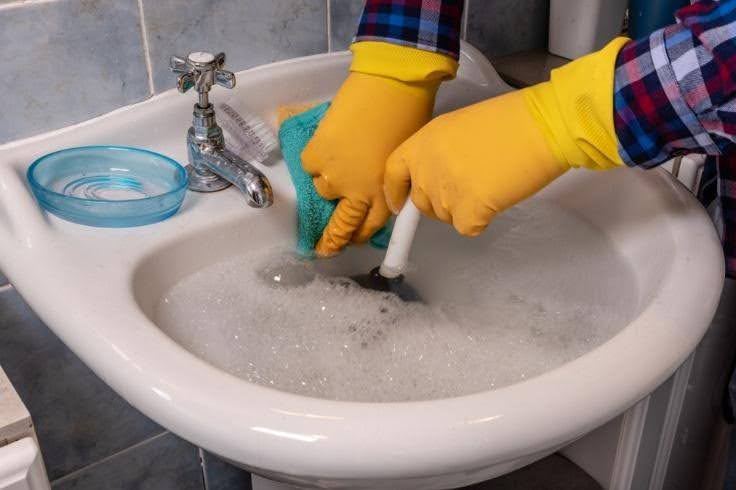
Cover the overflow hole using a cloth or tape, to create the necessary vacuum.
Place the plunger over the drain so it completely seals the opening.
Push down firmly and pull up repeatedly for around 15–20 seconds.
Remove the plunger and check if the water drains normally.
If the blockage loosens, hot water can help flush the remaining debris away.
When the Blockage Won’t Clear
If plunging doesn’t work, the blockage could be deeper in the waste pipe or in the trap beneath the sink.
At Plumbing on Demand, we deal with stubborn sink blockages quickly using professional tools and safe methods to restore normal drainage without damaging your pipes.
Frequently Asked Questions (FAQs)
What’s The best way to unlock a sink with a plunger?
To unblock a sink with a plunger, create an airtight seal by covering the overflow hole with a damp cloth and positioning a cup-style plunger over the drain. Fill the basin with enough water to cover the cup, then plunge vigorously up and down 10–15 times to dislodge the clog.
If this doesn’t work, or if you are not confident doing this, call us at Plumbing on Demand for step-by-step advice or further assistance.
Who is the best plumber in north London?
Adam Goldman of Plumbing on Demand is highly recommended by his clients. He specialises in all kinds of plumbing, heating and gas issues.
Supporting London's property managers and residential clients