Plumbing, heating and gas advice from Plumbing on Demand
Should I Have a Carbon Monoxide Detector in my Home?
Carbon monoxide is often referred to as the “silent killer” because it is invisible, odourless, and impossible to detect without specialised equipment.
This dangerous gas can be produced by faulty or poorly maintained fuel-burning appliances such as boilers, gas fires and cookers. If carbon monoxide builds up in a home, it can cause serious illness or even death.
And whilst carbon monoxide alarms are not (yet) required by law – except in tenanted properties – they can protect you and your loved ones from serious harm or death.
Why Carbon Monoxide Detectors Are Essential
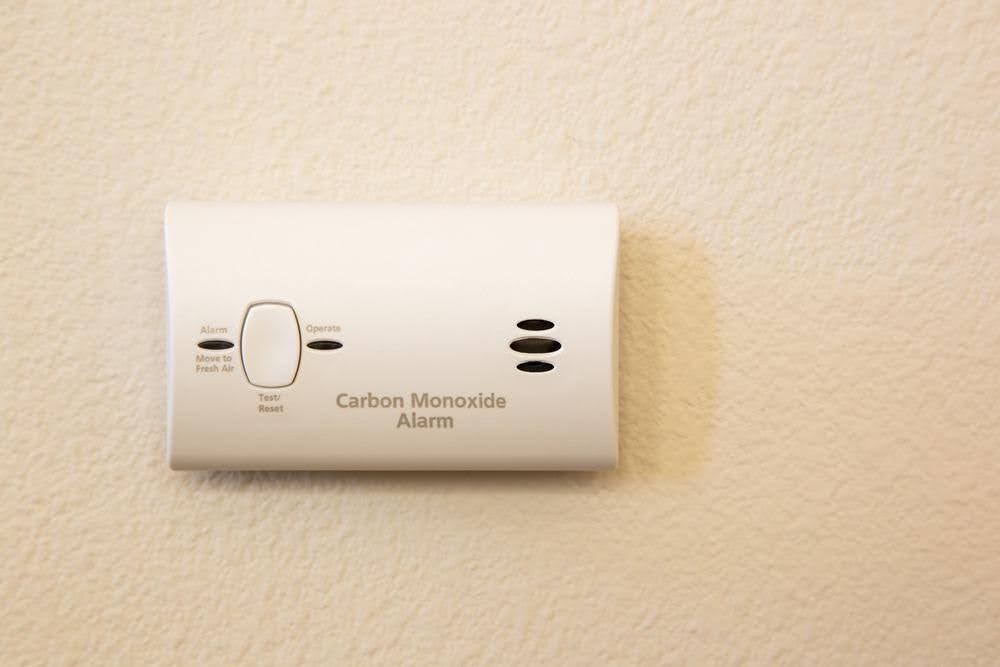
A carbon monoxide detector continuously monitors the air and sounds an alarm if dangerous levels are detected. This early warning gives you time to leave the property and seek help.
Common symptoms of carbon monoxide exposure include:
Headaches
Dizziness
Nausea
Shortness of breath
Confusion
Because these symptoms can easily be mistaken for flu or fatigue, a detector is a vital safety device.
Where Should They Be Installed?
For the best protection, detectors should be installed:
Near boilers and gas appliances
In hallways near bedrooms
On every floor of the home
However, we recommend you also check the instructions provided with your detector regarding the suggested installation point.
Prevention Is Key
Alongside installing detectors, homeowners should ensure that boilers and heating systems are serviced annually by qualified professionals.
At Plumbing on Demand, we strongly recommend regular boiler maintenance to keep your heating system safe and running efficiently.
Frequently Asked Questions (FAQs)
Why is my CO alarm beeping?
Continuous Alarm/Loud Siren: probably dangerous levels of CO detected. Evacuate the premises immediately.
Single Chirp/Beep Every Minute: this indicates you have a low battery. Replace it as soon as possible.
Regular Chirps and Error Light/Message: the unit may be faulty or may even have reached the end of its working life, so it’s best to replace it or get it properly checked.
Who is the best plumber in north London?
Adam Goldman of Plumbing on Demand is highly recommended by his clients. He specialises in all kinds of plumbing, heating and gas issues.
Supporting London's property managers and residential clients