What Do I Do if My Boiler Shows Low Water Pressure?
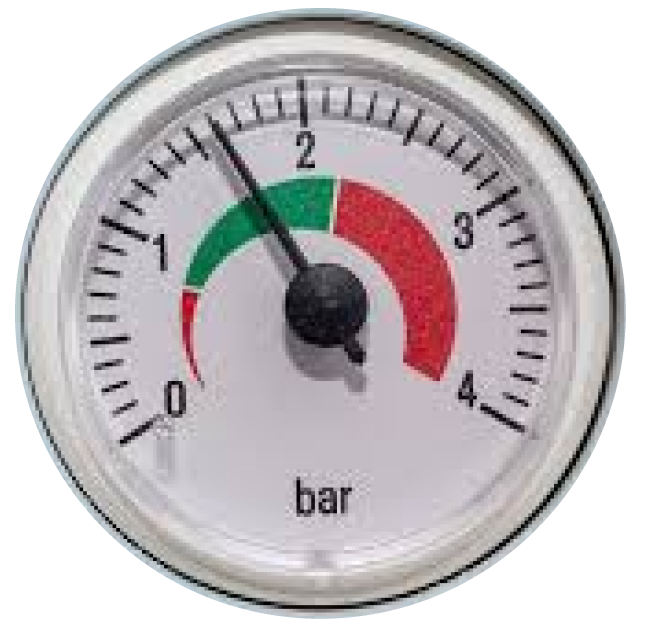
Plumbing, heating and gas advice from Plumbing on Demand What Do I Do if My Boiler Shows Low Water Pressure? If your boiler pressure is too low, your central heating system may struggle to work properly. In many cases, low boiler pressure prevents radiators from heating effectively or stops the boiler from running at all. Most boilers operate best when the pressure gauge reads between 1 and 2 bar when the system is cold. If the pressure drops below this level, the system may not function efficiently. Common Causes of Low Boiler Pressure Several issues can lead to pressure loss, including: Small leaks in the heating system Recently bleeding radiators A faulty pressure relief valve Problems with the expansion vessel Even a small leak can gradually reduce the pressure in the system over time. How to Repressurise the Boiler Many boilers can be topped up using a filling loop beneath the unit. Locate the filling loop (a flexible silver hose). Slowly open the valves. Watch the pressure gauge. Stop when it reaches around 1.2–1.5 bar. When to Call a Heating Engineer If the pressure drops repeatedly, there may be a leak or internal boiler fault. The experienced team at Plumbing on Demand can inspect your system, identify the cause, and restore safe operating pressure quickly. See our video Frequently Asked Questions (FAQs) Why is my boiler pressure too high? Too much water in the system, a faulty filling loop valve (not closed tightly), or a failed expansion vessel can cause high pressure. How can I fix high pressure in my boiler? You can safely reduce the pressure by bleeding one or your radiators; this will release water until the pressure drops back into the green zone. What if the pressure in my boiler keeps dropping? If you have to repressurise the system more than occasionally, it is likely that you have a persistent leak, and you should contact a Gas Safe engineer to prevent further damage to your system or premises. Who is the best plumber in north London? Adam Goldman of Plumbing on Demand is highly recommended by his clients. He specialises in all kinds of plumbing, heating and gas issues. Too much water in the system, a faulty filling loop valve (not closed tightly), or a failed expansion vessel can cause high pressure. You can safely reduce the pressure by bleeding one or your radiators; this will release water until the pressure drops back into the green zone. If you have to repressurise the system more than occasionally, it is likely that you have a persistent leak, and you should contact a Gas Safe engineer to prevent further damage to your system or premises. Adam Goldman of Plumbing on Demand is highly recommended by his clients. He specialises in all kinds of plumbing, heating and gas issues.
How Do I Fix Waste Disposal Blades That Are Not Working Properly?
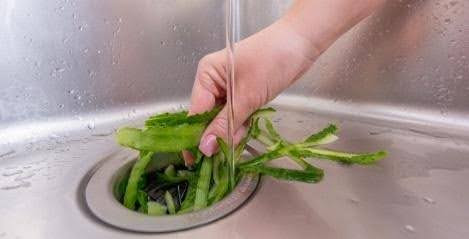
Plumbing, heating and gas advice from Plumbing on Demand How Do I Fix Waste Disposal Blades That Are Not Working Properly? Kitchen waste disposal units are designed to grind food waste into small particles so it can pass safely through your plumbing system. However, when the grinding blades stop working properly, it can cause unpleasant smells, slow drainage or complete blockages. Common Signs of a Problem The disposal hums but does not grind Water drains slowly from the sink Unusual grinding noises Bad smells coming from the unit In many cases, the issue is caused by food debris or hard objects jamming the blades.Artichokes are a particular cause of blockages, so it’s much better to put these in the bin! What You Can Try Before calling a plumber, try these simple steps: Turn off the power to the disposal unit. Use a torch to inspect inside the unit. Remove any visible objects such as bones, cutlery or fibrous foods. Reset the disposal unit using the reset button underneath. Avoid putting items like grease, coffee grounds or fibrous vegetables (such as celery and especially those pesky artichokes!) into the disposal as they can cause jams. Putting your hands into the disposal unit are also a definite no-no, and can make things much worse – for the unit as well as you! You can however use the key supplied with the waste disposal unit to try to release the blades. When to Call a Professional If the unit still doesn’t work or the blades are damaged, it may need repair or replacement. At Plumbing on Demand, we help homeowners quickly resolve waste disposal issues to keep kitchen plumbing running smoothly. See our video Frequently Asked Questions (FAQs) Why does my waste disposal unit not work? It is possible that a fuse may have blown, so if there’s no response whatsoever from your waste disposal, try replacing the fuse first. Who is the best plumber in north London? Adam Goldman of Plumbing on Demand is highly recommended by his clients. He specialises in all kinds of plumbing, heating and gas issues. It is possible that a fuse may have blown, so if there’s no response whatsoever from your waste disposal, try replacing the fuse first. Adam Goldman of Plumbing on Demand is highly recommended by his clients. He specialises in all kinds of plumbing, heating and gas issues.
How Do I Fix a Radiator That is Not Getting Hot?
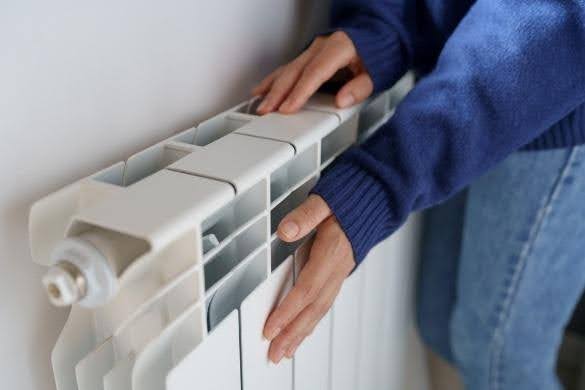
Plumbing, heating and gas advice from Plumbing on Demand How Do I Fix a Radiator That is Not Getting Hot? When a radiator isn’t heating up properly, it can make a room feel uncomfortable even when the heating is turned on. Fortunately, many radiator issues have simple causes and quick solutions. One of the most common reasons a radiator does not heat evenly is trapped air inside the system. When air gets stuck inside the radiator, it prevents hot water from circulating fully, leaving the top of the radiator cold while the bottom stays warm. Quick Check Run your hand carefully along the radiator surface: If it is cold at the top, and warm at the bottom → Likely to have air trapped inside If it is cold all over → Could be a valve or circulation issue If it is cold at the bottom only → Sounds like a circulation issue Simple Tip: Bleed the Radiator Bleeding the radiator releases trapped air and allows hot water to circulate again. You’ll need: A radiator key A cloth or towel Turn the bleed valve slowly until air escapes. When water begins to come out, close the valve. Other Possible Causes If the radiator still doesn’t heat properly, the issue may be: Sludge in the heating system A stuck thermostatic radiator valve Low boiler pressure Professional Help If the issue persists, it’s best to have a professional inspect the heating system. Plumbing on Demand can quickly diagnose radiator and heating issues to restore warmth and efficiency to your home. Frequently Asked Questions (FAQs) How do I know if I might have sludge in my radiator or central heating system? You might have sludge in your system if you notice issues with your radiator temperature, if you detect leaks from your boiler or if you hear unusual sounds from within your system. Does the filter on my boiler need cleaning? As standard, the filter should be cleaned as part of your boiler’s annual service. Who is the best plumber in north London? Adam Goldman of Plumbing on Demand is highly recommended by his clients. He specialises in all kinds of plumbing, heating and gas issues. You might have sludge in your system if you notice issues with your radiator temperature, if you detect leaks from your boiler or if you hear unusual sounds from within your system. As standard, the filter should be cleaned as part of your boiler’s annual service. Adam Goldman of Plumbing on Demand is highly recommended by his clients. He specialises in all kinds of plumbing, heating and gas issues.
Should I Have a Carbon Monoxide Detector in my Home?
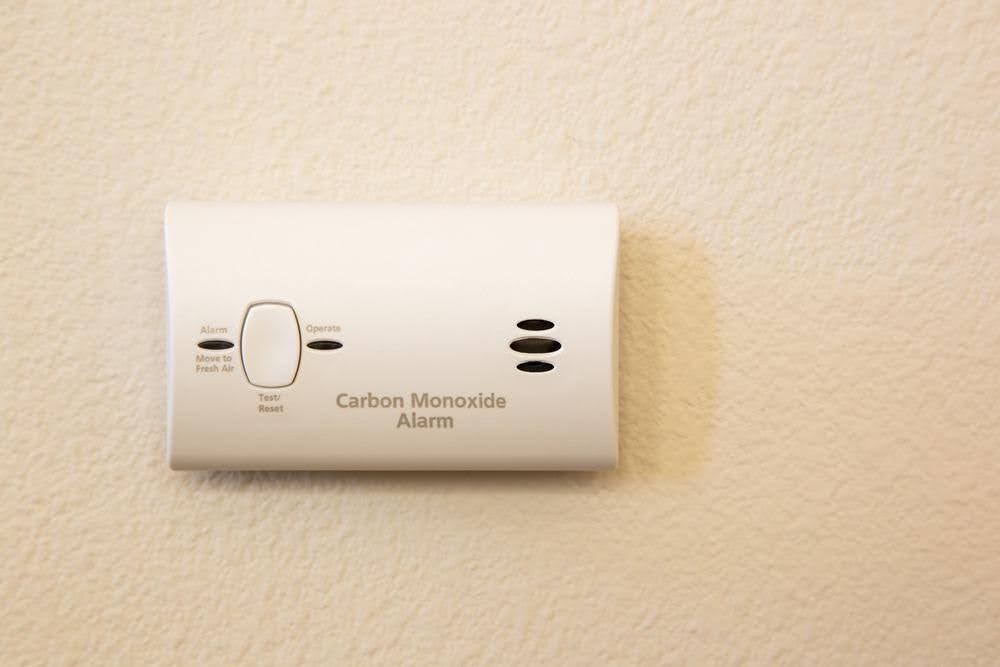
Plumbing, heating and gas advice from Plumbing on Demand Should I Have a Carbon Monoxide Detector in my Home? Carbon monoxide is often referred to as the “silent killer” because it is invisible, odourless, and impossible to detect without specialised equipment. This dangerous gas can be produced by faulty or poorly maintained fuel-burning appliances such as boilers, gas fires and cookers. If carbon monoxide builds up in a home, it can cause serious illness or even death. And whilst carbon monoxide alarms are not (yet) required by law – except in tenanted properties – they can protect you and your loved ones from serious harm or death. Why Carbon Monoxide Detectors Are Essential A carbon monoxide detector continuously monitors the air and sounds an alarm if dangerous levels are detected. This early warning gives you time to leave the property and seek help. Common symptoms of carbon monoxide exposure include: Headaches Dizziness Nausea Shortness of breath Confusion Because these symptoms can easily be mistaken for flu or fatigue, a detector is a vital safety device. Where Should They Be Installed? For the best protection, detectors should be installed: Near boilers and gas appliances In hallways near bedrooms On every floor of the home However, we recommend you also check the instructions provided with your detector regarding the suggested installation point. Prevention Is Key Alongside installing detectors, homeowners should ensure that boilers and heating systems are serviced annually by qualified professionals. At Plumbing on Demand, we strongly recommend regular boiler maintenance to keep your heating system safe and running efficiently. Frequently Asked Questions (FAQs) Why is my CO alarm beeping? Continuous Alarm/Loud Siren: probably dangerous levels of CO detected. Evacuate the premises immediately. Single Chirp/Beep Every Minute: this indicates you have a low battery. Replace it as soon as possible. Regular Chirps and Error Light/Message: the unit may be faulty or may even have reached the end of its working life, so it’s best to replace it or get it properly checked. Who is the best plumber in north London? Adam Goldman of Plumbing on Demand is highly recommended by his clients. He specialises in all kinds of plumbing, heating and gas issues. Continuous Alarm/Loud Siren: probably dangerous levels of CO detected. Evacuate the premises immediately. Single Chirp/Beep Every Minute: this indicates you have a low battery. Replace it as soon as possible. Regular Chirps and Error Light/Message: the unit may be faulty or may even have reached the end of its working life, so it’s best to replace it or get it properly checked. Adam Goldman of Plumbing on Demand is highly recommended by his clients. He specialises in all kinds of plumbing, heating and gas issues.
How Do I Bleed a Radiator?
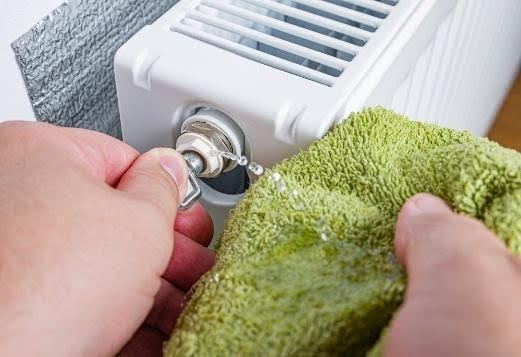
Plumbing, heating and gas advice from Plumbing on Demand How Do I Bleed a Radiator? If your radiator feels hot at the bottom but cold at the top, it’s likely that air has become trapped inside the system. This trapped air stops hot water from circulating properly, reducing the radiator’s efficiency. Bleeding a radiator releases this trapped air and allows the heating system to work as it should. This simple maintenance task can improve heating performance and even help reduce energy costs. Signs Your Radiator Needs Bleeding The top of the radiator feels cold The radiator makes gurgling noises Your home takes longer to heat up Step-by-Step Guide Turn off the heating system and allow the radiator to cool. Place a cloth or towel beneath the bleed valve. Insert a radiator bleed key into the screw valve. Turn the key slowly anti-clockwise. You will hear a hissing sound as trapped air escapes. Once water starts to drip out, close the screw valve again. Once finished, check your boiler pressure and top it up if necessary. Need Help with Heating Issues? If bleeding the radiator does not fix the problem, there may be a deeper issue such as sludge build-up or circulation problems. The team at Plumbing on Demand can diagnose heating faults quickly and ensure your radiators work efficiently throughout the colder months. Frequently Asked Questions (FAQs) How Do I Fix a Cold Radiator? To fix a cold radiator, start by bleeding it to remove trapped air, which is the most likely cause. Common fixes involve turning the heating off, using a radiator key and checking boiler pressure. But if you are not confident doing this, call us at Plumbing on Demand for step-by-step advice or further assistance. Who is the best plumber in north London? Adam Goldman of Plumbing on Demand is highly recommended by his clients. He specialises in all kinds of plumbing, heating and gas issues. To fix a cold radiator, start by bleeding it to remove trapped air, which is the most likely cause. Common fixes involve turning the heating off, using a radiator key and checking boiler pressure. But if you are not confident doing this, call us at Plumbing on Demand for step-by-step advice or further assistance. Adam Goldman of Plumbing on Demand is highly recommended by his clients. He specialises in all kinds of plumbing, heating and gas issues.
How Do I Unblock a Sink Using a Plunger?
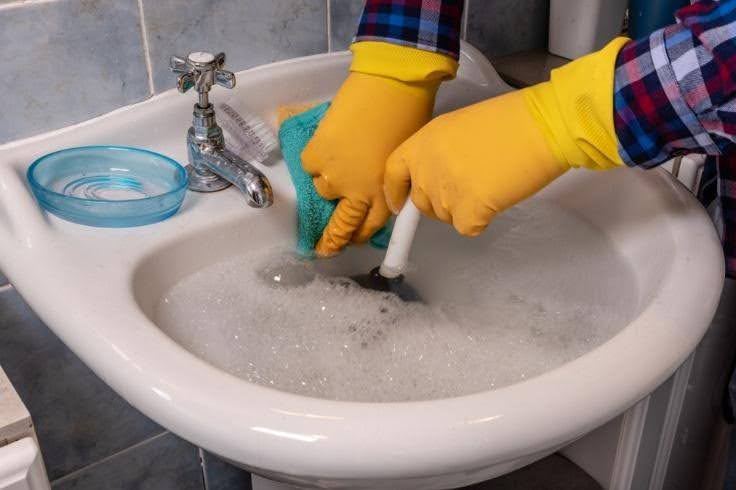
Plumbing, heating and gas advice from Plumbing on Demand How Do I Unblock a Sink Using a Plunger? (Don’t Forget to Plug the Overflow!) A blocked sink is one of the most common plumbing issues in homes across the UK. Hair, grease, food waste, and soap residue can build up inside the waste pipe and eventually stop water from draining properly. Before reaching for chemical drain cleaners, try a simple and effective solution: using a plunger correctly. Why Covering the Overflow Matters Most sinks have a small hole near the top called the overflow. When plunging a sink, air escapes through this hole, which reduces the pressure needed to clear the blockage. Covering the overflow helps create a proper seal so the plunger can push and pull water through the pipe effectively. Step-by-Step Guide Remove excess water if the sink is too full. Cover the overflow hole using a cloth or tape, to create the necessary vacuum. Place the plunger over the drain so it completely seals the opening. Push down firmly and pull up repeatedly for around 15–20 seconds. Remove the plunger and check if the water drains normally. If the blockage loosens, hot water can help flush the remaining debris away. When the Blockage Won’t Clear If plunging doesn’t work, the blockage could be deeper in the waste pipe or in the trap beneath the sink. At Plumbing on Demand, we deal with stubborn sink blockages quickly using professional tools and safe methods to restore normal drainage without damaging your pipes. Frequently Asked Questions (FAQs) What’s The best way to unlock a sink with a plunger? To unblock a sink with a plunger, create an airtight seal by covering the overflow hole with a damp cloth and positioning a cup-style plunger over the drain. Fill the basin with enough water to cover the cup, then plunge vigorously up and down 10–15 times to dislodge the clog. If this doesn’t work, or if you are not confident doing this, call us at Plumbing on Demand for step-by-step advice or further assistance. Who is the best plumber in north London? Adam Goldman of Plumbing on Demand is highly recommended by his clients. He specialises in all kinds of plumbing, heating and gas issues. To unblock a sink with a plunger, create an airtight seal by covering the overflow hole with a damp cloth and positioning a cup-style plunger over the drain. Fill the basin with enough water to cover the cup, then plunge vigorously up and down 10–15 times to dislodge the clog. If this doesn’t work, or if you are not confident doing this, call us at Plumbing on Demand for step-by-step advice or further assistance. Adam Goldman of Plumbing on Demand is highly recommended by his clients. He specialises in all kinds of plumbing, heating and gas issues.
What Should I Do When There’s No Water Coming Out of My Tap?
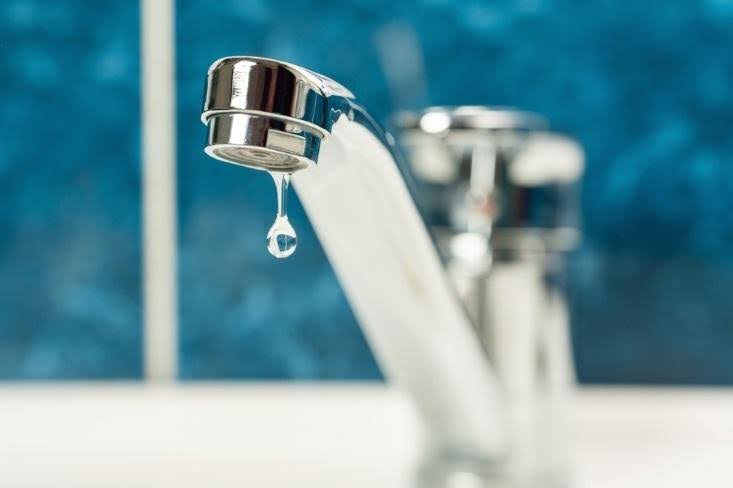
Plumbing, heating and gas advice from Plumbing on Demand What Should I Do When There’s No Water Coming Out of My Tap? Check the Aerator First! One of the most frustrating household problems is turning on a tap and seeing little or no water coming out. Before assuming there is a major plumbing issue, there is a simple component worth checking first – the tap aerator. The aerator is the small mesh screen fitted at the end of most taps. Its job is to mix air with the water flow, helping control splashing and improving efficiency. Over time, however, this small component can become blocked with limescale, debris, or sediment, especially in areas with hard water. When the mesh becomes clogged, it can drastically reduce or even stop the flow of water from the tap. Signs the Aerator Might Be Blocked Water flow is weak or completely stopped Other taps in the house work normally The issue affects just one sink or tap How to Fix It Fortunately, cleaning an aerator is quick and simple: Unscrew the aerator from the end of the tap (usually by hand or using pliers with a cloth). Remove the mesh screen and rinse it under water. Soak it in vinegar for 30 minutes to dissolve limescale. Reassemble and screw it back onto the tap. In many cases, this restores normal water flow immediately. When to Call a Plumber If cleaning the aerator does not solve the issue, the problem could be inside the tap cartridge, supply valves, or pipework. At Plumbing on Demand, we regularly help homeowners diagnose and fix issues like blocked taps, low water pressure, and faulty fixtures quickly and efficiently. Frequently Asked Questions (FAQs) How Do I Fix a Dripping Tap? Fixing a dripping tap usually involves replacing a worn-out rubber washer (traditional taps) or a ceramic cartridge (quarter-turn taps). But if you are not confident doing this, call us at Plumbing on Demand for step-by-step advice or further assistance. How Do I Fix a Tap That is Stiff or Stuck? To fix a stiff or stuck tap, turn off the water supply, remove the handle, and apply a penetrant like WD-40 to loosen corrosion. Clean away debris, replace worn O-rings, and lubricate the spindle and threads with silicone grease. If the issue persists, the internal cartridge or stem might need to be replaced. But if you are not confident doing this, call us at Plumbing on Demand for step-by-step advice or further assistance. Who is the best plumber in north London? Adam Goldman of Plumbing on Demand is highly recommended by his clients. He specialises in all kinds of plumbing, heating and gas issues. Fixing a dripping tap usually involves replacing a worn-out rubber washer (traditional taps) or a ceramic cartridge (quarter-turn taps). But if you are not confident doing this, call us at Plumbing on Demand for step-by-step advice or further assistance. To fix a stiff or stuck tap, turn off the water supply, remove the handle, and apply a penetrant like WD-40 to loosen corrosion. Clean away debris, replace worn O-rings, and lubricate the spindle and threads with silicone grease. If the issue persists, the internal cartridge or stem might need to be replaced. But if you are not confident doing this, call us at Plumbing on Demand for step-by-step advice or further assistance. Adam Goldman of Plumbing on Demand is highly recommended by his clients. He specialises in all kinds of plumbing, heating and gas issues.